Posts

How to Determine When Your Furnace Needs Repair

Image
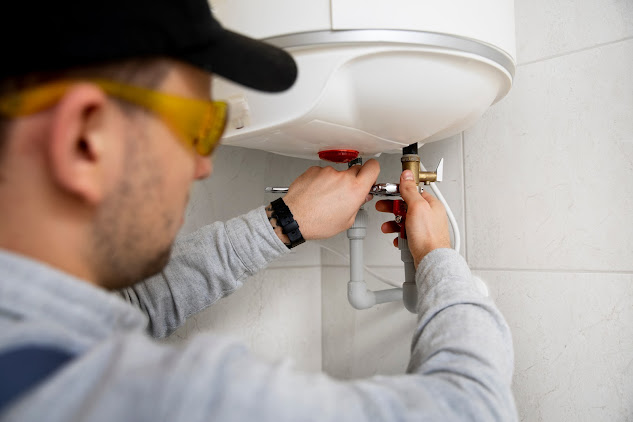
  Understanding when your furnace requires repair is crucial for maintaining a comfortable and safe home environment. This guide will help you identify the signs that your furnace might be failing and what steps you should take to address potential issues before they become major problems. Recognizing the Signs of Furnace Problems Unusual Noises: Identifying Warning Sounds One of the first indicators that your furnace may need repair is unusual noise. If you start hearing strange sounds such as banging, popping, rattling, or whistling coming from your furnace, it's a sign that something isn't right. These noises could indicate issues like a loose belt, a problem with the ignition system, or even a failing blower motor. Persistent Cycling: Troubleshooting Frequent Starts and Stops Another common sign is frequent cycling, where the furnace turns on and off more often than it should. This could be caused by a faulty thermostat, incorrect air circulation, or a dirty air filter. If ...

What is a Boiler and How Does it Work?

Image
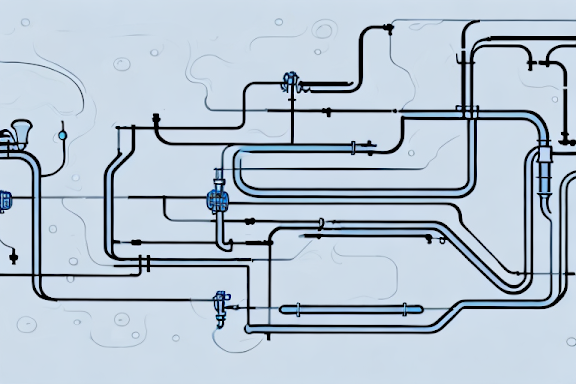
  A boiler is an essential heating system component that plays a critical role in homes, businesses, and industries. It provides hot water or steam to heat spaces, run industrial processes, or supply hot water for daily use. Understanding what a boiler is and how it works is essential for maintaining its efficiency and ensuring a reliable heating solution. This article will delve into the types of boilers, their components, how they function, and why regular maintenance—often provided by a professional boiler repair service —is crucial for longevity and safety. What is a Boiler? A boiler is a closed vessel where water or another liquid is heated to generate steam or hot water. This heat is then distributed for various applications, such as space heating, water heating, or powering equipment in industrial settings. Boilers are a staple in central heating systems, often using fuels like natural gas, oil, electricity, or even wood to produce heat. How Does a Boiler Work? At its core, ...

What Are Some Common Uses for a Boiler?

Image
  A boiler is an essential part of many homes and industries, providing heat, hot water, and even power. While people often associate boilers with central heating systems, they serve various purposes in both residential and commercial settings. Understanding these uses can help you appreciate the versatility of boilers and why regular maintenance is important. If you’re considering installing or maintaining a boiler, working with a trusted boiler service provider in Colorado can help you get the most from your system. Heating Homes and Buildings One of the primary uses of a boiler is to provide central heating for homes, offices, and large buildings. Boilers heat water and distribute it through radiators, baseboards, or underfloor heating systems. Unlike forced-air heating systems, boilers offer even and consistent warmth without circulating dust and allergens, making them ideal for people with allergies. In colder climates like Colorado, boilers are particularly effective in keepi...

Why Is My Air Conditioner Blowing Warm Air? Causes and Solutions

Image
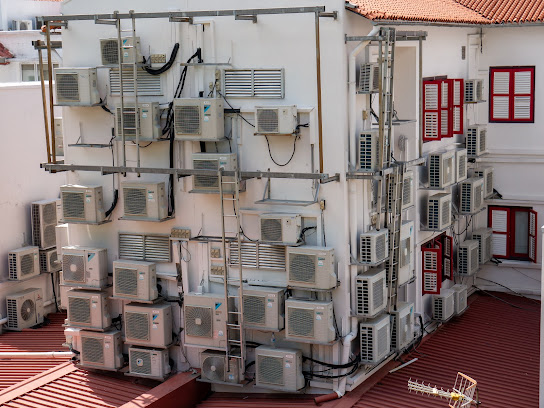
  Few things are more frustrating on a hot day than realizing your air conditioner is blowing warm air instead of cooling your home. If this has happened to you, you’re not alone. It’s one of the most common issues homeowners face during summer. The good news? In most cases, this problem can be diagnosed and fixed without major expense especially if caught early.   In this post, we’ll walk through the main reasons why your air conditioner might be blowing warm air, how to troubleshoot the issue, and when it’s time to call a professional technician.   1. Incorrect Thermostat Settings   It might sound simple, but thermostat settings are often the first thing to check. If your AC is blowing warm air, make sure: The thermostat is set to “Cool” and not “Heat” or “Fan.” The temperature setting is lower than the current room temperature. The fan mode is set to “Auto,” not “On.”    When set to “On,” the fan runs continuou...

How to Prepare Your Furnace for the Winter Season

Image
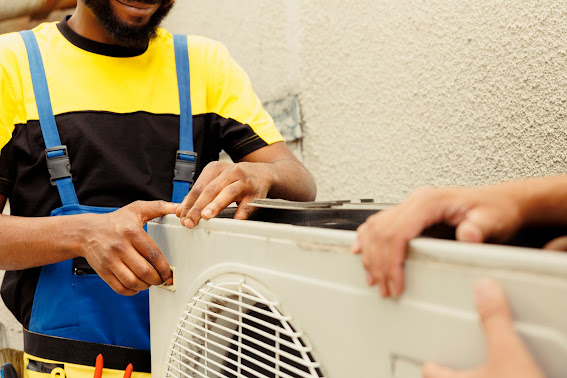
  When winter approaches, a well-functioning furnace is essential for comfort and safety. Cold weather puts your heating system to the test, and the last thing you want is for it to break down in the middle of a freezing night. Preparing your furnace before the cold sets in helps you avoid unexpected failures, improve energy efficiency, and extend the lifespan of your system. In this guide, we’ll walk you through practical steps to get your furnace ready for winter   along with advice on when to call the best furnace repair service for professional help. 1. Why Furnace Preparation Matters Your furnace works hardest during winter. Months of inactivity can cause dust buildup, worn parts, and minor issues that turn into major problems under heavy use. Preseason maintenance ensures your system runs efficiently and reliably when temperatures drop.   Key Benefits of Pre-Winter Preparation Prevents breakdowns: Early inspection catches potential issues before the...